Turkey Thanksgiving Retro Sublimation: A Designer's Reality Check
As someone who has spent years turning digital files into tangible, stitched treasures, I approach every new download with a mix of excitement and skepticism. The market is flooded with generic holiday graphics, but Turkey Thanksgiving Retro Sublimation caught my eye immediately. It promises a wavy, retro aesthetic that feels distinct from the standard clipart found in most craft bundles. However, for those of us running small businesses or creating high-end handmade products, the visual appeal of a preview image is only half the battle. The real question is how this design behaves under the needle.
I recently decided to put Turkey Thanksgiving Retro Sublimation through its paces for a potential client project involving custom embroidered tote bags and boutique aprons. My goal was to see if this design could hold up as a premium product in a competitive Etsy shop or craft fair booth. Here is my honest assessment of how this graphic translates from a screen to a finished textile piece.
The First Impression: Mood and Visual Personality
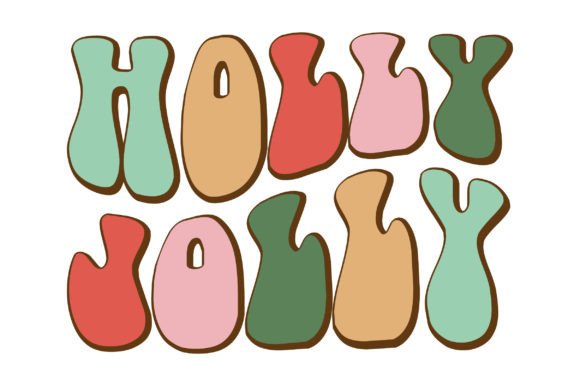
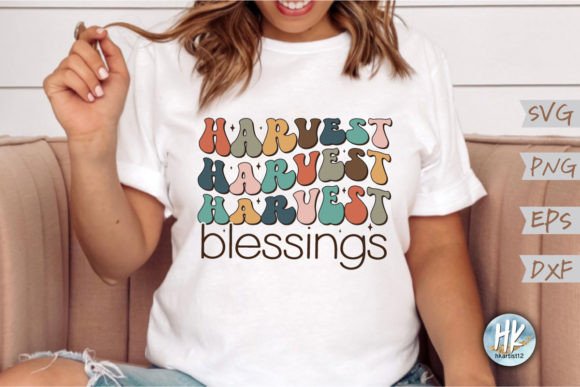
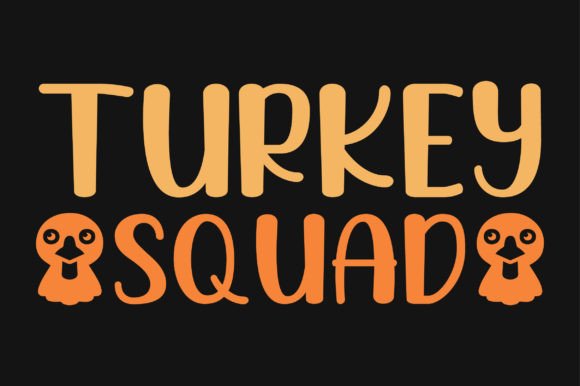
When you first open the file, the retro vibe is undeniable. The wavy lines and vintage color palette suggest a nostalgic warmth that fits perfectly with the Thanksgiving theme. Unlike many designs that feel stiff or overly corporate, this one has a playful, organic flow. For an embroidery designer, this is crucial because it dictates the stitch type. The curves in Turkey Thanksgiving Retro Sublimation naturally invite satin stitches for the outlines and fill stitches for the body, which usually results in a smooth, professional finish.
The layout is balanced, leaving enough negative space so the design doesn't look cluttered when scaled down. This is a common pitfall in holiday graphics; too much detail can get lost in the stitching process. The personality here is friendly and inviting, making it ideal for family-oriented gifts or cozy home decor items. It feels like something you would want to wear while cooking a big meal, rather than something purely decorative.
Real-World Application: From File to Fabric
To test the practicality of this design, I simulated a workflow for a small batch of custom sweatshirts and kitchen towels. In a commercial setting, consistency is king. Turkey Thanksgiving Retro Sublimation performs well in terms of clarity on medium-weight fabrics. When applied to a heather grey sweatshirt, the retro colors pop without overwhelming the garment. The wavy elements create a dynamic movement that draws the eye across the chest area.
For a tote bag design, the versatility is even more apparent. Because the file includes vector formats (AI, EPS, SVG), resizing is seamless. I tested scaling the design down to fit a smaller patch size for a baby onesie. The result was surprisingly clean. The curves remained sharp, and there were no jagged edges that often plague poorly digitized files. This makes it a strong candidate for personalized gifts where attention to detail matters.
However, not every application is a perfect match. If you are planning to use this for a cap or hat, proceed with caution. While the design is versatile, curved surfaces like caps require careful hooping and stabilizer selection. The wavy lines might distort slightly if the fabric stretches during the embroidery process. For flat surfaces like pillow covers, tea towels, or aprons, the design shines. It adds a touch of artisanal charm that elevates a simple product into a boutique item.
Where to Use Caution: Technical Limitations
Even the best design assets have their limits. As an experienced reviewer, I need to point out specific scenarios where Turkey Thanksgiving Retro Sublimation might struggle. First, avoid using this design on very thin or stretchy fabrics without proper stabilization. The density of the fill stitches required to achieve that retro look can cause puckering if the base material isn't supported correctly.
Another critical consideration is the hoop size. If you are working with a small embroidery machine or trying to fit the design onto a tiny accessory, the fine details of the wavy lines might become indistinguishable. Dense stitch areas can also be problematic on dark fabrics if the thread count isn't sufficient to cover the background completely. In these cases, the design might look muddy rather than crisp.
Furthermore, if you are creating a product that requires frequent washing, such as a daily-use apron or a child's outfit, ensure the thread colors are colorfast. The retro palette often uses deep, rich tones that can bleed if low-quality threads are used. Always test the washability of your final product before listing it for sale. This is especially important for commercial embroidery projects where customer satisfaction hinges on durability.
Impact on Product Value and Brand Perception
In the world of handmade goods, presentation is everything. Using a design like Turkey Thanksgiving Retro Sublimation signals to your customers that you care about aesthetics and quality. A well-executed embroidery project builds trust and encourages repeat business. When a buyer sees a cohesive, professionally stitched design on a tote bag or holiday gift, they perceive higher value.
This design also offers flexibility for branding. Whether you are an Etsy seller looking to expand your holiday collection or a creative entrepreneur launching a line of boutique apparel, the retro style allows for a consistent brand identity. You can pair it with other seasonal graphics to create a unified look across your shop. The ability to change colors easily means you can adapt the design to different colorways, ensuring your embroidery project aligns with current trends or specific customer preferences.
Practical Notes for the Embroidery Designer
Before you commit to a full production run, there are several steps you must take to ensure success. First, always test the design on scrap fabric that matches your intended final material. This helps you gauge the stitch density and check for any potential distortion. Review the thread colors against your fabric texture; sometimes a color that looks great on a screen appears dull on linen or cotton.
Inspect the small details closely. Zoom in on the corners and curves to ensure they will translate well into stitches. If the design includes tiny lettering or intricate accents, verify that they are large enough to be legible after stitching. Testing in black and white mockups can also help you understand the contrast levels before you invest in thread and time.
Don't forget to check your licensing terms. While the file description mentions AI, EPS, SVG, and PNG formats, it is vital to confirm whether you are allowed to sell finished items created with Turkey Thanksgiving Retro Sublimation. Some licenses restrict commercial use, while others allow it freely. Understanding these terms protects your small shop product from legal issues.
Finally, consider the stabilizer. For dense fill stitches typical of this design, a cut-away stabilizer is often the best choice to prevent shifting and maintain the shape of the embroidery over time. By taking these precautions, you ensure that your finished product stands out for all the right reasons.
In conclusion, Turkey Thanksgiving Retro Sublimation is a solid addition to any designer's library. It balances artistic flair with practical usability, making it suitable for a wide range of crafts and graphics projects. Whether you are creating a personalized gift or expanding your commercial inventory, this design offers the potential to deliver a high-quality result. Just remember to respect the technical limitations and test thoroughly to achieve the best possible outcome.