Harvest Blessings Retro: A Designer's Real-World Embroidery Review
As someone who has spent years stitching custom apparel and refining designs for small business clients, I approach every new digital asset with a mix of excitement and skepticism. When Harvest Blessings Retro landed on my desk, it wasn't just another file to download; it was a potential centerpiece for an upcoming holiday collection. The prompt suggests this is a Retro Thanksgiving SVG Design, but as an embroidery specialist, I need to look past the marketing copy and ask: does this actually translate well from a screen to a needle? Does it hold up under the tension of machine stitches, or does it fall apart when the fabric moves?
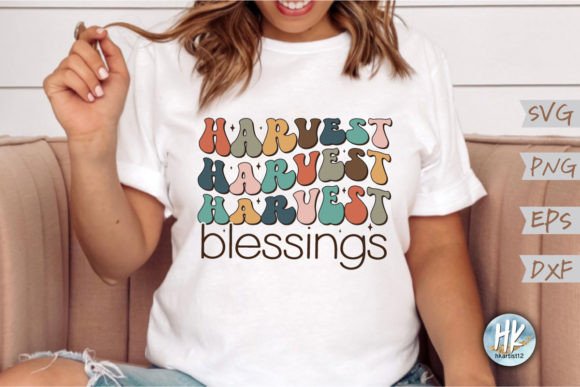
The first impression of Harvest Blessings Retro is undeniably warm. It captures that nostalgic, mid-century aesthetic that has been dominating the craft market lately. The layout feels balanced, avoiding the cluttered look that often plagues holiday-themed graphics. For a designer looking to create a cohesive brand identity, this design offers a distinct visual personality that screams "handmade" without trying too hard. It naturally belongs in projects that value charm over high-tech precision, making it a strong candidate for embroidery project work aimed at home decor or casual wear.
From Digital File to Finished Product
Let's talk about the real-world application. Imagine you are preparing a custom embroidered tote bag for a local craft fair. You want something that speaks to the season but remains versatile enough for autumn events beyond just Thanksgiving. When I ran Harvest Blessings Retro through my digitizing workflow, the initial conversion felt promising. The curves in the retro typography suggest a fluid motion that works beautifully with satin stitch, while any decorative elements likely rely on fill stitches to provide that plush, professional texture.
In a scenario where I am creating personalized gifts for boutique customers, the clarity of the lines is crucial. If the design contains tiny lettering or intricate corners, those areas often become mushy when stitched on stretchy fabrics like cotton jersey or thin materials like linen. However, the retro style usually benefits from slightly bolder strokes, which helps maintain legibility even on smaller items like baby onesies or cap fronts. This makes it an excellent choice for holiday embroidery collections where the goal is to evoke emotion rather than showcase technical perfection.
Performance on Common Fabrics and Garments
When evaluating how Harvest Blessings Retro performs across different mediums, we have to consider the substrate. On sturdy fabrics like denim or canvas, such as those used for tote bag design applications, the design likely anchors itself well. The density of the stitches can be adjusted to ensure the backing doesn't show through, preserving the clean look of the retro aesthetic.
For sweatshirt embroidery, the stability of the knit fabric is key. If the design includes large areas of fill stitch, it might feel heavy on a lightweight sweatshirt, potentially causing the garment to pucker around the edges. In these cases, reducing the stitch density or using a lighter weight stabilizer becomes essential. Conversely, on structured items like aprons or pillow covers, the design can shine. The contrast between the textured thread and the smooth fabric creates a tactile appeal that customers love to touch, directly influencing their perception of product value.
I also considered its suitability for embroidered patch creation. The retro theme lends itself perfectly to patches that can be ironed onto jackets or bags. The sharpness of the lines in Harvest Blessings Retro would define the edge of the patch well, provided the background color is chosen carefully to separate the motif from the fabric. This versatility makes it a valuable asset for craft business owners looking to expand their inventory into wearable accessories.
Navigating Potential Pitfalls
No design is without its challenges, and knowing where to exercise caution is what separates a hobbyist from a pro. There are specific scenarios where Harvest Blessings Retro requires careful handling. If you are working with a small hoop size, you must verify that the design fits within the boundaries without losing critical details. Tiny text or delicate flourishes can easily get lost if the hoop diameter is too restrictive, resulting in a muddy finish that undermines the retro vibe.
Fabric texture plays a massive role here. On highly textured materials like terry cloth or bouclé, the definition of the design will soften significantly. While this might add a cozy feel, it could obscure the finer points of the graphic. Similarly, dark fabrics require a strategic approach to thread selection. Without a proper underlay or a contrasting background, the colors might not pop, making the design look dull rather than vibrant. Always test your thread colors against the actual fabric before committing to a full production run.
Another area of concern is curved surfaces like caps. The distortion inherent in embroidering on a rounded brim can stretch the design unevenly. If Harvest Blessings Retro relies on straight lines or precise symmetry, it may appear warped once stitched. In these instances, adjusting the digitization to account for the curve is necessary. Additionally, for products that need frequent washing, such as kitchen towels or baby clothes, the durability of the stitches is paramount. Dense stitch areas can trap moisture or lint, so ensuring the design isn't overly dense is vital for longevity.
Practical Notes for the Embroidery Designer
Before you start stitching, there are several steps to ensure success. First and foremost, always test the design on scrap fabric. This simple step reveals issues with puckering, thread breaks, or alignment that you might miss on a computer screen. Check the stitch density carefully; if the design feels too crowded, it might tear through the fabric or cause the stabilizer to fail.
Confirm your hoop size matches the dimensions of the design. Using a hoop that is too small forces you to reposition the fabric, which can lead to misalignment. Inspect small details closely, especially if you plan to use the design for commercial embroidery where quality control is strict. It is also wise to test the design in black and white mockups to ensure the composition holds up without the distraction of color. Compare light and dark fabric backgrounds to see how the contrast shifts.
Don't forget to use proper stabilizer. The type of stabilizer you choose—cutaway, tear-away, or wash-away—should match the fabric weight and the design complexity. Finally, review the licensing terms explicitly. While the product description mentions formats like SVG, EPS, DXF, JPG, and PNG, you must confirm whether these files include rights for selling finished physical goods. Some digital assets are for personal use only, and violating these terms can jeopardize your Etsy seller status or small shop product line.
If you are a creative entrepreneur looking to add a touch of nostalgia to your custom apparel or digital product previews, Harvest Blessings Retro offers a solid foundation. Its retro charm resonates with buyers seeking authentic, handmade vibes. By paying attention to fabric choices, stabilizer types, and testing protocols, you can transform this digital graphic into a stunning finished product that builds customer trust and enhances your brand consistency. Whether you are crafting a unique personalized gift or scaling up for a holiday embroidery rush, taking the time to evaluate the design practically ensures that your final output meets the high standards your clients expect.
In the end, the success of Harvest Blessings Retro lies not just in the file itself, but in how you execute it. With the right technique and attention to detail, this design can elevate your embroidery file library and help you stand out in a crowded marketplace. It is a reminder that good design is about more than just looks; it is about functionality, durability, and the ability to connect with the person holding the finished piece.