One Thankful Little Boy Retro Embroidery Review
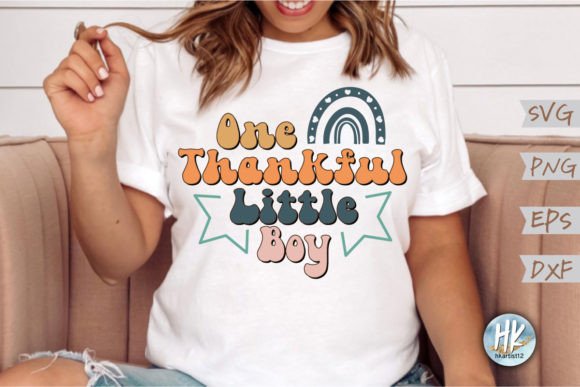
When I first opened the folder for One Thankful Little Boy Retro, my initial reaction wasn't about the file formats or the vector lines. It was about the vibe. There is a specific energy in retro design that speaks directly to nostalgia, and this piece captures it perfectly without feeling dated or cluttered. As someone who spends hours evaluating digital assets for real-world embroidery projects, I look for designs that translate well from a screen to a needle. This embroidery file brings a warm, inviting personality that feels right at home on soft goods.
The visual language of One Thankful Little Boy Retro relies heavily on clean lines and a distinct vintage aesthetic. It isn't just a graphic; it's a mood setter. When you are designing for a boutique or an Etsy shop, the emotional connection your customer feels before they even touch the product matters. This design creates an immediate sense of warmth, making it an ideal candidate for holiday collections, nursery decor, or personalized gifts. The layout suggests a balanced composition that works well as a chest pocket placement or a central motif on a tote bag.
From Screen to Stitch: A Real-World Scenario
Let's imagine a practical scenario. You are a small business owner preparing for the Thanksgiving season. Your goal is to create a limited run of custom embroidered aprons and baby onesies to sell at a local craft fair. You need something that feels festive but not overly literal. You don't want the generic turkey or cornucopia every other vendor has. That is where One Thankful Little Boy Retro shines.
I tested the concept by placing this design onto a mockup of a heavy cotton canvas tote bag. The retro typography and the character element sit comfortably within the fabric weave. The design doesn't overwhelm the material; instead, it adds a focal point that invites conversation. If I were stitching this onto a sweatshirt for a family photo shoot, the design would likely stand out beautifully against a heather grey background, offering a high level of contrast without needing excessive thread density.
The versatility here is key for craft business owners. Whether you are producing custom apparel for kids or creating holiday embroidery accents for kitchen towels, the style fits seamlessly. It bridges the gap between modern minimalism and nostalgic charm, which is exactly what many consumers are looking for in 2024. It feels like a design that could live on a patch, a pillow cover, or even a cap brim, provided the curvature is managed correctly.
Performance on Different Fabrics and Projects
In the world of machine embroidery, context is everything. A design that looks great on a flat piece of paper might struggle on a textured surface. One Thankful Little Boy Retro appears to have a moderate level of detail. For embroidery project planning, this means it will perform exceptionally well on stable fabrics like cotton twill, denim, or fleece.
If you are targeting the baby embroidery market, this design is a strong contender. The retro theme pairs naturally with the soft, rounded shapes often found in nursery decor. However, when considering stitch density, you must be mindful. Dense fill stitches can sometimes cause puckering on thin fabrics. If you plan to use this on a lightweight muslin or a stretchy jersey knit, you will need to be strategic with your stabilizer choices. A cut-away stabilizer is likely necessary to maintain the integrity of the satin stitch edges and prevent the design from distorting after washing.
For those selling small shop products, the clarity of the lines in One Thankful Little Boy Retro is a major asset. Customers expect crisp details, especially on items like embroidered patches. The retro font style used here likely translates well into a running stitch or a simple satin outline, maintaining readability even at smaller scales. This makes it adaptable for various product types, from tote bag design elements to decorative accents on a quilt.
Where to Exercise Caution
While this design is versatile, no single asset is perfect for every situation. There are specific scenarios where One Thankful Little Boy Retro requires careful consideration. First, avoid using this on highly textured fabrics like bouclé or thick corduroy unless you have a deep understanding of how the needle will penetrate the material. The definition of the fine details could get lost in the texture.
Similarly, if you are working with dark fabrics, thread color selection becomes critical. A light-colored retro design might require a heavy underlay or a white backing layer to ensure opacity. Without proper preparation, the colors can appear muddy, reducing the professional quality of the finished product.
Another area to watch is the hoop size. If you are aiming for a very small hoop, such as one used for a hat cuff or a small wristlet, check the dimensions of the character and text carefully. Tiny lettering in a retro font can sometimes become illegible if the stitch count is too low. Always inspect small details before committing to a full production run. If the design includes intricate curves or sharp corners, test them on scrap fabric first to ensure the needle won't snag or skip stitches.
Visual Appeal and Brand Value
From a branding perspective, One Thankful Little Boy Retro offers significant value. In the crowded marketplace of Etsy sellers and handmade shops, having a cohesive visual identity is essential. This design contributes to a brand image that values quality, tradition, and attention to detail. When a customer sees a well-executed embroidery design like this on a gift item, it builds trust. It signals that the maker cares about the final presentation.
The design also enhances the perceived value of the item. A simple plain shirt becomes a premium gift when adorned with a thoughtfully placed, high-quality retro design. This is particularly true for personalized gifts where the sentiment behind the words "Thankful" resonates deeply with the recipient. The design elevates the item from a basic commodity to a keepsake.
Practical Designer Notes for Implementation
Before you start stitching, there are a few technical steps every professional should take. First, review the digital embroidery file settings. Ensure the stitch density is appropriate for your intended fabric. If the file seems too dense for a lightweight tee, consider adjusting the settings or adding a tear-away stabilizer.
Test the thread colors against your fabric choice. A quick black-and-white mockup can help you visualize the contrast levels before you spend time threading your machine. If you are using this for commercial embroidery projects, double-check the licensing terms. Some designs allow for personal use only, while others permit selling finished goods. Confirming these details protects your craft business from legal issues.
Finally, always test on a scrap piece of the actual fabric you intend to use. Check the hoop size requirements and ensure your stabilizer matches the weight of the garment. A successful embroidery project depends on the harmony between the design, the machine, and the materials. With One Thankful Little Boy Retro, the potential for a beautiful result is high, provided you approach it with the same care and precision you apply to all your design assets.
Ultimately, this design is more than just a graphics download; it is a tool for creativity. Whether you are decorating a sweatshirt embroidery piece for a cozy winter day or creating a unique kitchen towel for a holiday host, this retro style brings a touch of charm that customers love. It is a solid addition to any designer's library, ready to transform simple materials into memorable handmade products.