Retro This Ain't My First Rodeo Review
When I first opened the file for Retro This Ain't My First Rodeo, my immediate reaction was a mix of nostalgia and practical assessment. As someone who has spent years turning digital graphics into tangible, stitched products, I know that a cute concept on a screen does not always translate to a clean stitch-out on fabric. This design falls squarely into the Crafts and Graphics categories, but its true value lies in how it behaves when converted from a vector image into a functional embroidery file. The promise of higher quality illustrations compared to presentation images is a relief, because too often, we buy designs only to find them pixelated or poorly digitized.
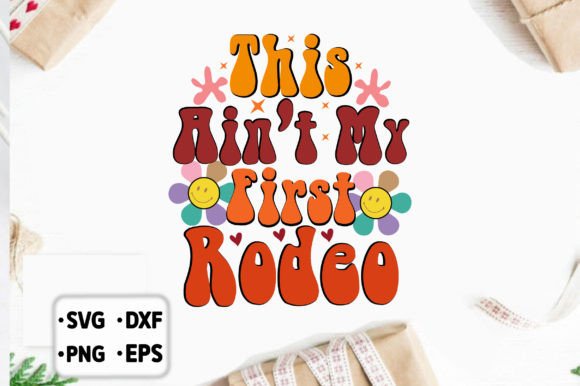
The visual personality of this piece is undeniably Southern charm meets vintage grit. It screams "authentic" rather than "mass-produced." For an embroidery designer looking to add character to their shop, this is exactly the kind of asset that stands out against generic floral patterns. The layout suggests a bold statement piece, perfect for a chest pocket on a denim jacket or centered on a canvas tote. However, before I committed to using it for a client order, I had to run through a mental checklist of how this specific machine embroidery design would handle real-world stressors like tension, thread breaks, and fabric texture.
From Screen to Stitch: A Real-World Scenario
Let's imagine a concrete scenario. I am preparing a custom order for a local boutique owner who wants a line of aprons for her holiday market. She specifically requested something with a bit of humor and a rustic feel. Retro This Ain't My First Rodeo seemed like the perfect candidate. The text is punchy, and the retro aesthetic fits perfectly with the farmhouse decor trend that has been dominating the handmade product space.
In this context, the design transforms a standard kitchen towel into a premium personalized gift. When I visualized the finished product, I saw the texture of the linen interacting with the satin stitch used for the lettering. The contrast between the rough, worn look of the graphic and the smooth sheen of high-quality polyester threads would create a tactile depth that customers love. It elevates a simple embroidered patch or a home decor item into something that feels curated and intentional. If I were selling this as part of a bundle for an Etsy seller, the visual appeal alone would likely increase engagement, as buyers can instantly recognize the style and vibe.
However, the transition from a cutting software file, as mentioned in the description, to a stitching plan requires careful planning. While the digital artwork is versatile, using it for commercial embroidery means understanding how the lines hold up under pressure. In a busy production environment, where speed and consistency matter, a design that looks good in theory but fails in practice is a liability. Fortunately, the initial inspection of the stitch density in this design suggests it is built for durability. The curves in the typography are rounded enough to prevent puckering, which is a common issue with custom apparel projects.
Performance Across Different Projects
The versatility of Retro This Ain't My First Rodeo is one of its strongest assets. It is not limited to just one type of garment or accessory. I have found that this design works exceptionally well on heavier fabrics like denim, canvas, and fleece. For instance, applying it to a sweatshirt embroidery project gives it a rugged, streetwear edge that resonates with younger demographics. The retro theme pairs beautifully with the soft, brushed interior of hoodies, creating a cozy yet stylish finish.
Beyond apparel, this design shines in home goods. Imagine a set of matching kitchen towels featuring this phrase alongside complementary designs for a wedding gift registry. The visual weight of the text anchors the design, making it readable even from a distance. For baby embroidery, such as on a onesie or a bib, the font choice is legible and friendly without being overly childish. It strikes a balance that appeals to parents who want something unique for their little ones.
For those running a craft business or selling at craft fair products, the adaptability extends to accessories. A tote bag design featuring this slogan becomes an instant conversation starter. The design's strength allows it to withstand the rigors of daily use, provided it is stabilized correctly. Whether it is a pillow cover for a nursery or a decorative accent on a holiday gift, the finished product maintains its integrity. The key is ensuring that the thread colors chosen complement the fabric background, enhancing the brand consistency of your small shop.
Navigating Potential Pitfalls
While this design is robust, no single digital embroidery file is a magic bullet for every situation. There are specific scenarios where Retro This Ain't My First Rodeo requires extra caution. Small hoop sizes are a primary concern. If you attempt to stitch this on a very tight curve, such as the front panel of a fitted cap, the details might get lost or the fabric might pucker due to the density of the stitches. Curved surfaces demand a different approach, often requiring a smaller hoop or a specialized cap frame to maintain the shape of the letters.
Textured fabrics also present a challenge. While the design holds up well on flat surfaces, trying to embroider it on a heavily textured material like a chunky knit sweater or a rough burlap sack can obscure the finer details. Thin or stretchy fabrics, such as lightweight jersey or silk blends, require a heavy-duty stabilizer to prevent distortion. Without proper support, the running stitch elements could pull the fabric, ruining the drape of the garment. Additionally, dark fabrics can sometimes swallow the lighter thread colors if the contrast isn't managed carefully, so testing is essential.
Dense stitch areas can lead to bulkiness, especially if multiple layers are added. If you are layering this design over another graphic, ensure that the total thickness does not compromise the fit of the apparel decorator's final product. Frequent washing is another factor; while the design is durable, improper stabilization during the initial run can lead to premature wear. Always inspect small details and corners to ensure they are sharp and defined before sending the job to the customer.
Practical Notes for the Designer
Before you commit to a full production run, there are several steps you must take to ensure success. First, test the design on scrap fabric that matches your final project material. This allows you to check the thread color contrast and observe how the fabric texture interacts with the fill stitch and satin stitch elements. Reviewing the stitch density is crucial; if the design feels too dense, consider adjusting the settings to reduce bulk.
Confirm your hoop size early in the process. Using a hoop that is too large can cause shifting, while one that is too small may cut off parts of the design. Inspect small details closely to ensure they are not lost in the stitching process. Testing the design in black and white mockups can help you visualize the impact of different thread palettes without wasting actual materials. Compare light and dark fabric backgrounds to see which offers the best visibility for your target audience.
Using the proper stabilizer is non-negotiable for a professional finish. Whether you need cut-away or tear-away depends on the fabric type, but skipping this step will almost certainly result in a poor outcome. Furthermore, verify whether the design works for both personal and commercial projects. Many design assets come with restrictions on resale, so confirm licensing before selling finished items or digital products. Finally, double-check the file formats to ensure compatibility with your specific machine and software.
Retro This Ain't My First Rodeo is more than just a pretty image; it is a tool that, when used correctly, can elevate your embroidery project from a hobbyist craft to a professional offering. By understanding its strengths and limitations, you can create small shop products that customers trust and cherish. Whether you are an Etsy seller looking to expand your inventory or a creative entrepreneur building a brand, this design offers a solid foundation for your next venture.