Here for the Cookies Retro Christmas Design Review
When you are sifting through digital assets for your next batch of handmade goods, the difference between a design that sells and one that sits on a shelf often comes down to visual personality and stitchability. As an embroidery designer who has spent years turning vector files into tangible, stitched products, I look at a design like Here for the Cookies Retro Christmas Des with a critical eye. I am not just looking at how it looks on a screen; I am evaluating how it will behave under the needle, how it will hold up after washing, and whether it resonates with the customer buying a personalized gift.
This review breaks down my practical experience with this retro-themed holiday asset. We will look at its mood, its suitability for various garments, and the technical considerations every crafter and small business owner needs to keep in mind before uploading it to their machine or listing it on Etsy.
The First Impression: Mood and Visual Personality
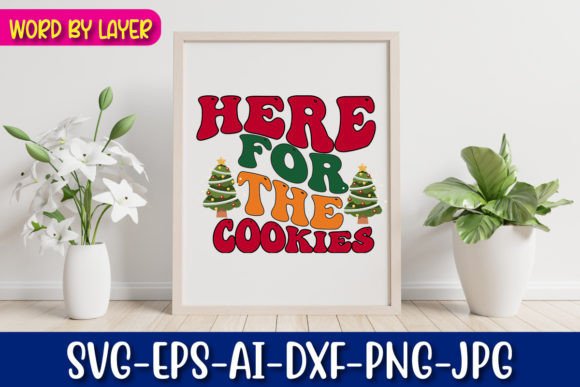
The immediate draw of Here for the Cookies Retro Christmas Des is its nostalgic charm. In a market saturated with traditional holly and snowflakes, a design that leans into retro aesthetics offers a fresh, playful twist. The typography and layout suggest a cozy, mid-century modern vibe that feels warm and inviting. It creates an instant emotional connection, evoking memories of family kitchens and holiday baking.
From a design perspective, the composition is balanced. It does not feel cluttered, which is crucial for embroidery. Complex designs can sometimes turn into muddy blobs if the stitch density is too high or the fabric texture interferes. This design appears to have clear negative space, allowing the viewer’s eye to rest. For a boutique brand or a craft fair booth, this kind of clean, recognizable imagery stands out. It feels like a statement piece rather than just a decorative accent, making it ideal for central placement on apparel or home decor items.
Real-World Application: Where Does It Shine?
Let’s talk about where this design actually lives. If I were preparing inventory for the holiday season, I would immediately think of custom apparel. A sweatshirt embroidery featuring this retro cookie theme hits the sweet spot between comfort and style. It works beautifully on heavyweight cotton blends or fleece, where the structure of the garment can support the weight of the stitching without pilling or warping.
Beyond apparel, this design translates exceptionally well to lifestyle accessories. Consider a canvas tote bag design. The contrast between the sturdy fabric and the detailed embroidery makes for a high-quality finished product. It elevates a simple tote into a branded item that customers want to carry around town. Similarly, for baby embroidery projects, such as onesies or burp cloths, the soft, whimsical nature of the retro theme is perfect. Parents love gifts that are cute but also aesthetically pleasing enough to display in a nursery.
I also see strong potential in kitchen textiles. An embroidered patch or direct-to-garment style transfer onto a tea towel or apron adds a touch of humor and warmth to the home. Holiday embroidery items like pillow covers or blankets can become cherished keepsakes. The versatility of this graphic allows it to function as both a standalone art piece and a complementary element in a larger set of matching gifts.
Technical Considerations and Stitching Clarity
As an experienced reviewer, I must address the technical side. While the source file is described as a high-quality vector, the translation from digital to thread is where challenges often arise. When digitizing or using pre-made files, you must pay close attention to the stitch density. Dense areas can cause puckering, especially on lighter fabrics. Conversely, sparse areas might not cover the base fabric adequately, leading to a cheap-looking finish.
Thread colors are paramount. The retro palette likely relies on specific contrasts to make the text and shapes pop. On dark fabric, you need bright, opaque threads to ensure legibility. On light fabric, you might opt for softer, muted tones to maintain that vintage aesthetic. Always test your thread colors against your actual fabric swatches. Lighting in a studio is different from natural light in a customer’s home.
Stabilizer choice cannot be overlooked. For stretchy fabrics like jersey knit used in t-shirts or caps, a cut-away stabilizer is usually necessary to prevent distortion. For woven fabrics like denim or canvas, a tear-away may suffice, but you must remove it cleanly to avoid rough edges. If you are working on curved surfaces like baseball caps, the hoop size and tension settings need to be precise to avoid dimpling the fabric.
Where to Use With Caution
Not every surface is suitable for every design. Here are a few scenarios where you should proceed carefully:
- Small Hoop Sizes: If the design details are intricate, shrinking it down too much can result in lost definition. Fine lines may merge together, creating a solid block of color rather than distinct shapes.
- Textured Fabrics: Burlap, heavy wool, or looped towels can obscure fine details. The needle may struggle to penetrate evenly, leading to skipped stitches or uneven coverage.
- Thin or Stretchy Fabrics: Without proper backing, these materials can pucker significantly. Always reinforce with appropriate interfacing or stabilizer.
- Dense Stitch Areas: If the design includes large fill stitches, ensure your machine can handle the thickness. Multiple layers of thread can cause needle breakage or thread jams.
Impact on Product Value and Customer Trust
In the world of handmade products, quality speaks louder than marketing copy. A well-executed embroidery project builds trust. When a customer receives a personalized gift that looks professional, with no loose threads or misaligned elements, they are more likely to leave positive reviews and return for future purchases. This applies to Etsy sellers, small shop owners, and commercial embroidery businesses alike.
The retro theme adds a layer of perceived value. It suggests thoughtfulness and trend-awareness. Customers are willing to pay a premium for designs that feel curated and stylish. However, this only holds true if the execution is flawless. A poorly stitched design, regardless of how cute the concept is, can damage your brand reputation. Therefore, rigorous testing is non-negotiable.
Practical Designer Notes for Success
To get the most out of Here for the Cookies Retro Christmas Des, follow these best practices:
- Test on Scrap Fabric: Never run a new design directly onto your final product. Use scraps to check tension, stitch quality, and color accuracy.
- Check Licensing: Before selling finished items or digital products, confirm the licensing terms. Ensure you have the right to use the design commercially.
- Inspect Small Details: Zoom in on the digital file. Are there tiny elements that might disappear when stitched? Simplify if necessary.
- Use Black and White Mockups: View your design in grayscale to check contrast levels. If it doesn’t read well in black and white, it won’t stitch well in color.
- Compare Backgrounds: Test the design on both light and dark fabrics to ensure versatility in your product line.
Ultimately, Here for the Cookies Retro Christmas Des offers a charming, versatile option for designers looking to add a touch of holiday cheer to their collections. Its retro appeal and balanced composition make it a strong candidate for a wide range of applications, from custom apparel to home decor. By paying attention to the technical details and prioritizing quality execution, you can transform this digital asset into a beloved physical product that customers will treasure.
Whether you are a hobbyist making gifts for friends or an Etsy seller building your holiday inventory, this design provides a solid foundation for creative expression. Embrace the nostalgia, respect the mechanics of embroidery, and let your craftsmanship shine through in every stitch.