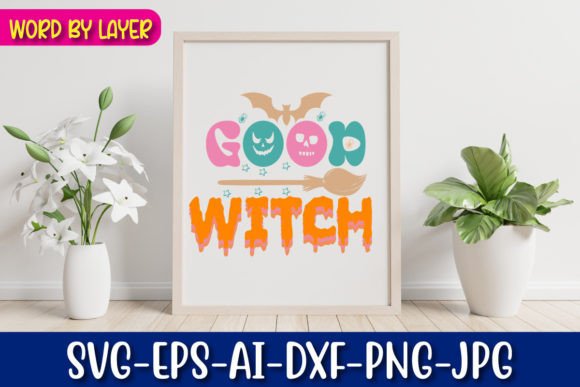
Good Witch Retro Christmas Design Review
As a designer who spends more time looking at stitch density and thread contrast than reading product descriptions, I approach every new digital asset with a mix of skepticism and curiosity. When Good Witch Retro Christmas Design landed on my desk, I didn’t just see a cute image; I saw potential for a best-selling holiday item. The retro aesthetic is currently dominating the handmade market, but the execution is where most designs fail. After analyzing the vector layers and visual personality of this file, I have broken down exactly how this design performs in real-world embroidery scenarios, from small hoop constraints to high-volume commercial production.
The First Impression: Mood and Visual Personality
The moment you open the layered SVG files, the mood is immediately established. This isn’t your standard, overly sweet Christmas clip art. It carries a nostalgic, slightly mysterious vibe that aligns perfectly with the "witchy" trend without being intimidating. The layout is balanced, offering enough negative space for clean stitching while maintaining enough detail to feel substantial. For an embroidery project, this balance is critical. Too much detail results in a muddy mess after stitching, especially on curved surfaces like hats or bags.
The design feels like it belongs in a boutique setting rather than a mass-market craft store. It has a distinct visual identity that suggests quality. When I imagine this stitched onto a heavyweight cotton canvas tote bag or a soft fleece sweatshirt, the retro lines pop against the fabric texture. It creates an immediate emotional connection with the buyer, signaling that the maker put thought into the selection of the design asset. This level of specificity is what drives engagement on platforms like Etsy and builds trust with customers who are looking for unique, personalized gifts.
Real-World Application: Where This Design Shines
In my experience, the versatility of a design determines its value to a craft business. Good Witch Retro Christmas Design is surprisingly adaptable across multiple product categories. Here is how I envision it performing in actual production runs:
- Custom Apparel and Sweatshirts: This is perhaps the strongest use case. The design scales beautifully on chest-sized placements. On a dark-colored hoodie, using metallic or cream threads can elevate the retro theme significantly. It works as a statement piece for holiday parties or winter markets.
- Tote Bag Design: A staple for any Etsy seller. The vertical orientation of the design fits naturally on the front panel of a canvas tote. It is practical enough for grocery shopping but stylish enough to be carried around town, increasing brand visibility if used for marketing.
- Baby Embroidery and Nursery Decor: While the subject is a witch, the retro style softens the imagery, making it suitable for baby onesies or nursery wall hangings. Parents often look for gender-neutral, non-traditional holiday items, and this design fills that niche perfectly.
- Embroidered Patches: With the provided EPS and SVG layers, creating a patch is straightforward. The clear outlines make it easy to define the satin stitch borders. These patches add value to jackets, backpacks, and caps, appealing to a younger demographic.
- Holiday Embroidery and Kitchen Towels: For home goods, this design adds character to tea towels or pillow covers. It brings a touch of whimsy to kitchen decor during the festive season.
Technical Considerations and Stitching Challenges
No design is perfect for every surface. As a professional reviewer, I must highlight where Good Witch Retro Christmas Design requires careful planning. Embroidery is a physical medium, and digital perfection does not always translate 1:1 to fabric.
Hoop Size and Scale: Always verify the hoop size compatibility before loading the file. If you attempt to stitch this on a very small hoop (under 4x4 inches), the fine details may become indistinguishable. The design relies on clear line work; compressing it too much will cause the eyes and features to blur together. I recommend testing the smallest scale you intend to produce on scrap fabric first.
Fabric Texture and Stability: This design looks fantastic on smooth fabrics like cotton twill or polyester blends. However, caution is advised when working with highly textured fabrics like heavy wool or terry cloth. The needle penetration might struggle, leading to inconsistent stitch density. Additionally, stretchy knits require a strong stabilizer to prevent puckering. If the design distorts, the retro charm is lost, and the product looks unprofessional.
Thread Color Contrast: The success of this design hinges on color choice. On light fabrics, dark threads provide excellent clarity. On dark fabrics, you need bright, opaque threads. Avoid low-contrast combinations, such as grey thread on black fabric, unless you are aiming for a subtle, tonal effect. Test your thread colors in black and white mockups to ensure the shapes remain distinct.
Detail Management and Satin Stitches
Examine the intricate parts of the design closely. Areas requiring dense satin stitch work need to be checked for needle strikes. If the design includes tiny decorative accents or thin lines, ensure your machine can handle the resolution. For applique design applications, the layer separation in the SVG files is crucial. Properly separating the background from the foreground allows for cleaner edges and reduces the risk of thread breaks.
Commercial Viability and Brand Consistency
For those selling finished products, the perceived value of the item is directly linked to the quality of the design. Using a generic, overused clip art can make a small shop product feel cheap. In contrast, a well-executed digital embroidery file like this one signals professionalism. It shows that you curate your assets carefully.
This design enhances brand consistency for sellers who focus on alternative, vintage, or magical themes. It helps create a cohesive collection. Whether you are listing a personalized gift or a bulk order of commercial embroidery items, the consistent quality builds customer loyalty. Buyers return to shops that offer designs they recognize and appreciate.
Practical Designer Notes for Success
Before committing to a full production run, follow these steps to ensure the best outcome:
- Test on Scrap Fabric: Never skip this step. Stitch the design on the exact fabric type you plan to use. Check for puckering, thread tension issues, and color accuracy.
- Review Stitch Density: Ensure the fill stitches are not too dense, which can make the fabric stiff and uncomfortable, especially for apparel like sweatshirt embroidery.
- Check Licensing: Confirm whether the license allows for commercial use of the finished product. This is vital for craft business owners to avoid legal issues.
- Create Printable Mockups: Use the PNG files to create realistic previews for your online store. High-quality visuals help buyers visualize the final result.
- Inspect Small Details: Zoom in on the vector layers. Are there any overlapping paths that could cause stitching errors? Clean up any unnecessary nodes before digitizing or exporting.
Final Verdict
Good Witch Retro Christmas Design is a strong addition to any designer’s library. It balances aesthetic appeal with technical feasibility, making it suitable for a wide range of graphics and crafts applications. From custom apparel to holiday embroidery projects, this design offers the flexibility needed to create profitable, high-quality handmade products. Just remember that the magic happens in the execution—pay attention to your materials, stabilizers, and thread choices, and this design will serve you well.