Retro Halloween Spooky Vibes Review
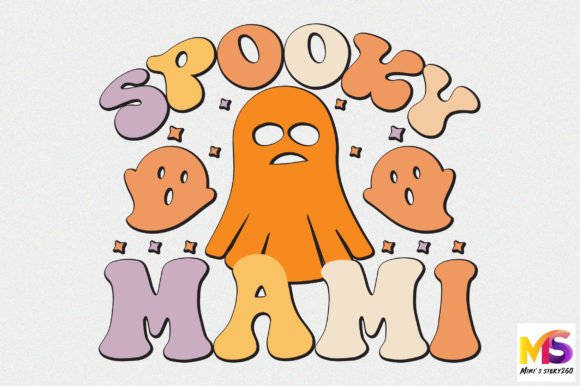
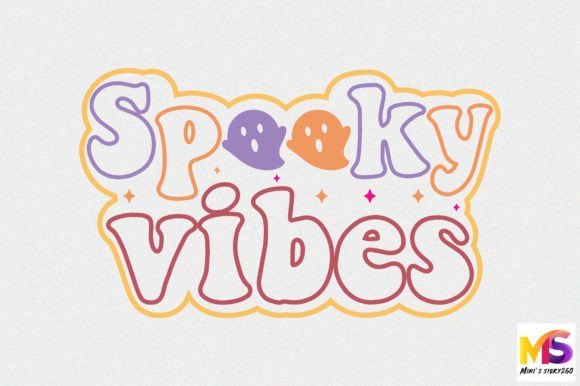
As a designer who has spent years stitching custom pieces for clients and crafting products for my own shop, I know that the difference between a good design and a great one often comes down to how it behaves under the needle. When I first pulled up Retro Halloween Spooky Vibes, I wasn't just looking at a pretty image; I was already thinking about stitch density, thread contrast, and whether this design would hold up after fifty wash cycles. The aesthetic is undeniably nostalgic, tapping into that specific mid-century horror movie poster mood that feels warm rather than terrifying.
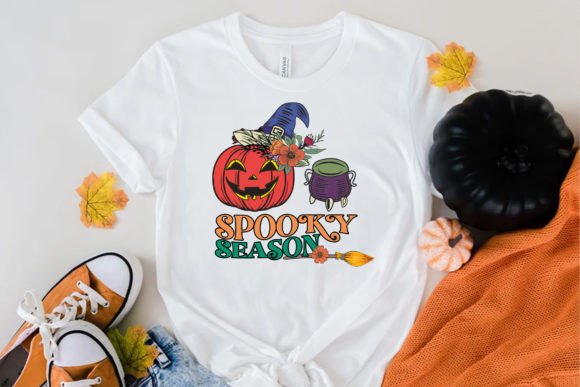
This isn't your average generic pumpkin or ghost clipart. The visual personality of Retro Halloween Spooky Vibes suggests a project meant to be worn with pride or displayed as a cozy seasonal accent. It screams "handmade" in the best way possible, which is exactly what buyers on Etsy and craft fairs are craving right now. However, before you commit this file to your hoop, let's walk through how this design actually performs in a real-world production environment.
The First Stitch: Visual Appeal and Mood
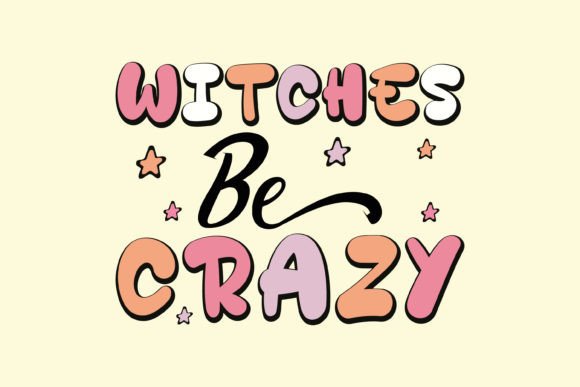
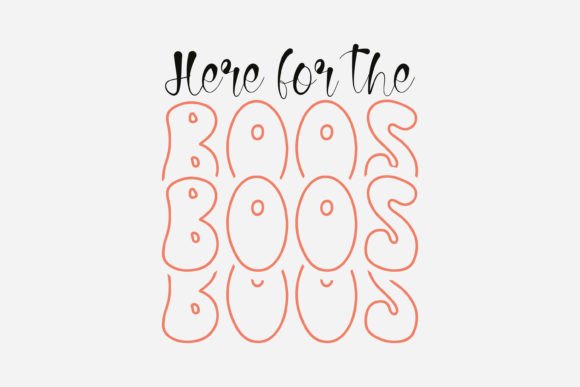
The immediate impression of Retro Halloween Spooky Vibes is one of playful charm. The layout feels balanced, avoiding the cluttered look that often plagues digital graphics when converted into embroidery files. For a commercial embroidery project, clarity is king. If a customer cannot see the details from two feet away, the finished product loses value. This design manages to keep its character intact even when scaled down, which is a rare trait for vector-based graphics.
I envision this design landing perfectly on a heavyweight cotton tote bag or a vintage-style sweatshirt. The retro color palette implied by the artwork translates well into standard thread colors like burnt orange, deep purple, and cream. When I imagine stitching this, the satin stitches would likely provide a smooth, glossy finish that contrasts beautifully against the matte texture of a canvas bag or the soft loop of a fleece hoodie. It creates an instant connection with anyone who grew up loving spooky aesthetics without needing to be scary.
Real-World Application: From Tote to Nursery
Let's talk about where this design shines. I recently considered using a similar style for a batch of personalized baby onesies for a client. While some intricate designs fail on stretchy knits, the clean lines of Retro Halloween Spooky Vibes suggest it could work well if stabilized correctly. Imagine a small chest placement on a white or pastel onesie for a "First Halloween" photo prop. The design would read clearly, offering a professional touch that elevates a simple gift into a keepsake.
For small business owners, this is a versatile asset. You could easily adapt this for holiday embroidery on aprons for a local bakery or kitchen towels for a boutique gift set. The "spooky vibes" theme fits seamlessly into fall decor, making it ideal for pillow covers or wall hangings. When selling these items, the design acts as a brand consistency tool. A cohesive collection of items featuring this retro style can help establish a recognizable identity for your handmade shop.
It also works exceptionally well as an embroidered patch. If you plan to sell patches to sew onto denim jackets or backpacks, the shape and detail level of this design appear robust enough to withstand the wear and tear of daily use. The visual appeal remains high, ensuring that customers feel they are getting a premium item rather than a cheap sticker.
Where to Proceed with Caution
Despite its strengths, no single design is perfect for every surface. There are specific scenarios where Retro Halloween Spooky Vibes might require extra attention or might not be the right choice at all. If you are working with a very small hoop size, such as those used for caps or tight cuffs, you need to evaluate the fine details closely. Tiny elements in the retro illustration could get lost or merge together if the fabric is too dense or the hoop is too small.
Stretchy fabrics present another challenge. While I mentioned baby clothes earlier, applying heavy fill stitches to a highly elastic material without proper stabilizer can lead to puckering. The distortion of the fabric will ruin the geometric precision of the retro style. Similarly, dark fabrics can be tricky if the underlying design relies on light thread colors for contrast. You must ensure your thread selection provides enough opacity to cover the base fabric completely.
Textured fabrics like waffle weaves or thick velvets can also hide the definition of the design. In these cases, the machine might struggle to penetrate the fibers evenly, leading to uneven stitch lengths. If you are planning to use this on curved surfaces like baseball caps, the curvature can distort the horizontal alignment of the text or graphic elements. Always test the design on a scrap piece of the actual garment fabric before running a full production batch.
Technical Considerations for Designers
Before you start stitching, there are practical steps every designer should take. First, check the stitch density. If the design includes large areas of fill stitch, ensure the density is appropriate for the fabric weight. Too much density on a lightweight t-shirt will make the area stiff and uncomfortable. Conversely, too little density on a durable tote bag might result in gaps where the background shows through.
Review the file formats provided. The description mentions SVG and DXF files, which are excellent for cutting machines and general graphics, but for machine embroidery, you need to confirm if these convert cleanly to PES, DST, or other machine-specific formats. If you are using a digitized version of this art, inspect the corners and small details for any jagged edges or loose threads that might cause snags during the process.
Thread color selection is crucial for maintaining the retro vibe. I recommend testing a few combinations in black and white mockups first. Sometimes a color that looks vibrant on screen appears muddy when stitched. Use a stabilizer that matches the fabric weight; a cut-away stabilizer is usually best for woven items like aprons and bags to prevent shifting, while a tear-away might suffice for stable knit garments.
Final Verdict on Commercial Potential
In the world of digital embroidery files, finding a design that balances artistic flair with technical feasibility is hard work. Retro Halloween Spooky Vibes hits a sweet spot. It offers a distinct mood that resonates with customers looking for something unique yet familiar. Whether you are creating custom apparel, personalized gifts, or boutique branding materials, this design adds a layer of professionalism and creativity to your finished product.
However, remember that the success of the final piece depends on your execution. Test thoroughly, respect the limitations of your equipment, and always prioritize quality over speed. If you handle the stitching and finishing with care, Retro Halloween Spooky Vibes has the potential to become a staple in your craft business catalog. It is a design that invites customers to engage, smile, and appreciate the effort put into the handmade product. Just be sure to verify the specific license terms regarding commercial use before you start selling, and enjoy bringing this spooky nostalgia to life.