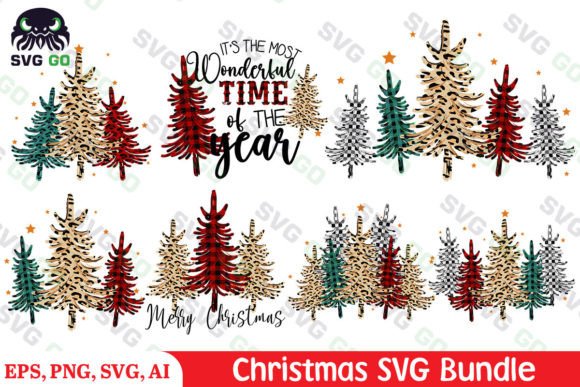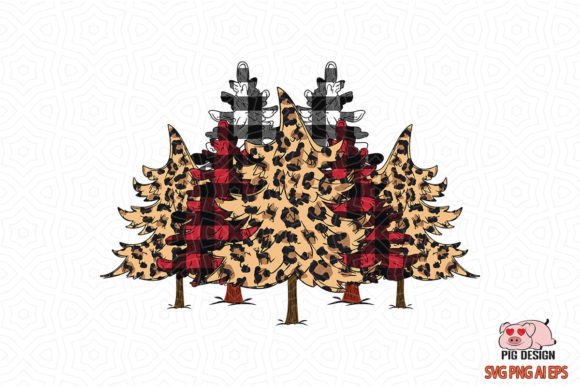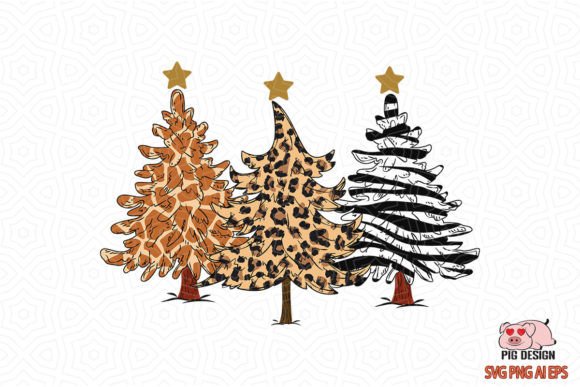
Leopard Zebra Christmas Tree Sublimation Review
As a designer who spends more time staring at stitch patterns and fabric swatches than sleeping, I approach every new digital asset with a mix of skepticism and hope. The holiday season is approaching, which means the market for festive merchandise is about to become incredibly crowded. In this noise, a design needs to do more than just exist; it needs to communicate immediately, hold up under technical scrutiny, and drive sales without requiring constant explanation. That is exactly why I pulled Leopard Zebra Christmas Tree Sublimation into my workflow to evaluate its potential for real-world application.
This isn't just another generic tree graphic. It carries a specific retro vibe that feels current yet timeless. My goal here is to strip away the marketing fluff and look at what this actually offers an embroidery designer, a small business owner, or a crafter looking to create high-quality handmade products. We are going to look at how this design translates from screen to fabric, where it shines, and where you might need to exercise caution.
First Impressions and Visual Personality
The moment you load Leopard Zebra Christmas Tree Sublimation, the mood shifts. It moves away from the traditional, stuffy elegance of classic holiday imagery and embraces a playful, bold aesthetic. The combination of animal print textures with the silhouette of a Christmas tree creates an immediate visual hook. For an Etsy seller or boutique owner, this kind of distinct personality is gold. It stops the scroll.
From a design perspective, the layout is clean. It doesn’t feel cluttered, which is crucial when converting a graphic into an embroidery file. Complex graphics often lose their soul during digitization, but this one seems built with structure in mind. It feels like a machine embroidery design that respects the limitations of thread while still maximizing visual impact. The retro Christmas theme adds a layer of nostalgia that resonates well with modern consumers who appreciate vintage-inspired aesthetics. It’s not just a tree; it’s a statement piece that suggests confidence and fun.
Real-World Application: Where This Design Shines
I’ve been thinking through various product categories where this design could thrive. Let’s be practical. Where does a leopard-print zebra Christmas tree fit best?
- Custom Apparel: This is the obvious winner. Imagine this on a heavy-weight cotton sweatshirt. The contrast between the soft fleece and the crisp, textured embroidery would look fantastic. It works equally well on t-shirts for casual holiday parties or family gatherings.
- Tote Bags: A canvas tote bag featuring this design is a staple gift item. It’s functional, stylish, and perfect for carrying groceries or books. As a tote bag design, it offers a large enough canvas to showcase the details without feeling cramped.
- Baby Items: Don’t underestimate the power of cute. On a baby onesie or a burp cloth, this design becomes adorable rather than edgy. Parents love unique, non-traditional holiday gifts for their little ones. A baby embroidery project using this file can command a premium price point because of its uniqueness.
- Kitchen Textiles: Tea towels, aprons, and kitchen towels are huge sellers in the craft business. This design brings a bit of whimsy to the kitchen. It’s durable, washable, and fits the holiday embroidery trend perfectly.
- Holiday Gifts and Personalized Products: Whether it’s a personalized gift for a friend or a custom order for a client, this design has broad appeal. It’s versatile enough to be sold as a finished product or as part of a bundle.
In each of these scenarios, the design elevates the perceived value of the handmade product. It signals that the maker put thought into selecting a trendy, cohesive aesthetic. It builds brand consistency for shops that want to stand out from the sea of red and green clip-art.
Technical Considerations and Stitch Performance
Here is where we get into the nitty-gritty. As designers, we know that a pretty picture doesn’t always stitch well. When evaluating Leopard Zebra Christmas Tree Sublimation, we have to think about stitch density, detail retention, and fabric interaction.
The animal print elements likely rely heavily on fill stitch techniques to create texture. This is great for visual interest, but it requires a stable base. If you are stitching this onto a stretchy fabric like a jersey knit t-shirt, you absolutely must use a proper stabilizer. Without it, the tension will distort the print, and your beautiful tree will end up looking wavy and unprofessional. For woven fabrics like canvas or cotton twill, the stability is usually inherent, making the stitching process smoother.
We also need to consider the hoop size. If the design is quite large, ensure your machine can accommodate it. Conversely, if you plan to downscale the design for smaller items like caps or patches, pay close attention to the fine details. Tiny elements can disappear or merge together if the resolution isn’t right. Always check the stitch density in your digitizing software before committing to a full production run.
Another critical factor is thread color contrast. The retro theme suggests bold colors, but you need to make sure your chosen threads pop against your fabric. On dark fabrics, light-colored fills might require a cut-underlay or extra stabilizer layers to prevent show-through. On light fabrics, dark outlines might bleed if the tension is too loose. Testing is key.
Where to Use With Caution
While this design is versatile, it’s not a one-size-fits-all solution. There are specific situations where you should pause and reconsider:
- Small Hoop Sizes: If you are working with very small hoops (under 4x4 inches), complex details might get lost. Simplify the design or choose a larger product.
- Textured Fabrics: Bouclé, chenille, or heavily textured weaves can hide the intricacies of the embroidery. Stick to smooth surfaces for the best clarity.
- Thin or Stretchy Fabrics: As mentioned, these require significant stabilization support. If you don’t have experience managing tension on tricky fabrics, test extensively first.
- Dense Stitch Areas: Avoid placing dense fill stitches directly next to delicate satin stitches without adequate spacing. This can cause puckering or thread breaks.
- Curved Surfaces: Stitching on caps or curved hat panels requires specialized techniques. Ensure the design is digitized specifically for curved applications to avoid distortion.
Final Verdict for Creators and Sellers
So, does Leopard Zebra Christmas Tree Sublimation earn a spot in your library? Yes, absolutely. It strikes a rare balance between being eye-catching and technically feasible. It appeals to a wide audience, from young adults looking for trendy holiday wear to parents seeking unique gifts for children.
For the Etsy seller or small shop product creator, this design offers a strong foundation for building a cohesive holiday collection. It pairs well with other retro-themed assets, allowing you to create matching sets—perhaps a family matching pajama set or coordinated home decor items. The versatility extends to commercial embroidery projects as well, provided you have the appropriate licensing.
Before you start mass-producing, remember to follow best practices. Test the design on scrap fabric first. Check thread color contrast under different lighting conditions. Inspect small details closely. And most importantly, confirm licensing terms before selling finished items or using the design in commercial projects. Your customers trust your craftsmanship, and delivering a high-quality, well-executed finished product is the best way to maintain that trust.
In the world of craft business and design assets, standing out is everything. Leopard Zebra Christmas Tree Sublimation gives you that edge. It’s bold, it’s festive, and it’s ready to stitch. If you’re looking to add some personality to your holiday inventory, this is a smart, stylish choice that promises to engage buyers and elevate your brand presence.