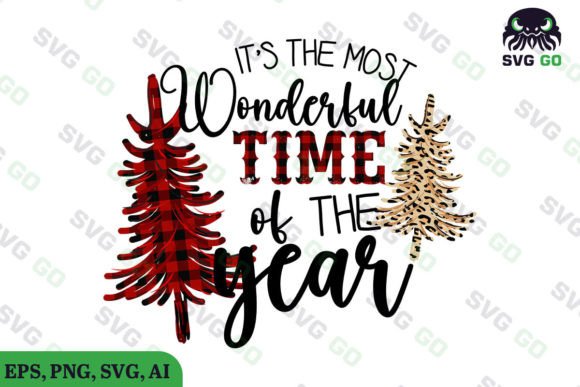
It s the Most Wonderful Time Christmas Embroidery Review
As a designer who spends more time than I care to admit staring at stitch patterns and debating thread tension, I don’t just buy digital files; I evaluate them for their potential in real-world production. When I first pulled up It s the Most Wonderful Time Christmas, my immediate reaction was one of cautious optimism. In the crowded world of holiday graphics, "retro" is a safe bet, but it is also a saturated one. The question isn't whether it looks good on a screen—it’s whether it holds up under the needle, on fabric, and in the hands of a customer who expects quality.
First Impressions: Mood and Visual Personality
The design immediately establishes a nostalgic, warm atmosphere. It taps into that mid-century aesthetic that feels both cozy and stylish. For an embroidery project, this mood is crucial because it sets the tone for the finished product. Unlike stark, modern minimalist designs that can feel cold when stitched in solid colors, this piece has a personality. It feels like something you’d want to wear to a winter market or hang in a kitchen during December.
From a layout perspective, the text hierarchy is clear. The phrase It s the Most Wonderful Time Christmas is balanced in a way that suggests it could work well centered on a chest area or perhaps arched over a smaller graphic element if you are layering. The retro vibe gives it a timeless quality, which is essential for designers looking to create items that won’t look dated next year. It avoids the trap of being too trendy, opting instead for a classic holiday feel that appeals to a broad demographic.
Real-World Application: Where This Design Shines
I often think about where a design will live before I even load it into my hoop. It s the Most Wonderful Time Christmas has several strong candidates for its home base. Let’s talk about custom apparel. On a heavy cotton sweatshirt or a fleece pullover, this design would pop beautifully. The retro style pairs exceptionally well with textured fabrics, adding depth to the garment rather than just sitting flat on top of it.
For the craft business owner or Etsy seller, this file is a versatile asset. Imagine a boutique selling personalized gifts. This design works perfectly on a high-quality tote bag design made from canvas. The contrast between the sturdy fabric and the intricate stitching of the text creates a tactile experience that customers love. Similarly, for baby embroidery projects, such as christening gowns or nursery wall hangings, the gentle nostalgia of the retro font is appropriate and charming. It doesn’t scream; it whispers a holiday wish, which is often more effective for delicate items.
Another strong use case is the embroidered patch. If you are creating seasonal accessories for hats or caps, this design provides enough visual weight to be recognizable from a distance. However, curved surfaces like caps require careful planning, which we will discuss shortly. For aprons and tea towels, the design adds a touch of professionalism to what is otherwise a utilitarian item, elevating it to a gift-worthy status.
Technical Considerations and Stitch Performance
When evaluating any machine embroidery design, the devil is in the details. While the description mentions SVG and PNG files at 4500 x 5400 pixels, it does not explicitly detail the stitch types, density, or specific digitization choices. As a reviewer, I must advise caution here. You need to verify how the embroidery file translates from vector to stitch.
If the design relies heavily on satin stitch for the lettering, ensure the stitch count isn’t so high that it causes puckering on lighter fabrics. Conversely, if it uses fill stitch for background elements, check the density. Too dense, and the fabric becomes stiff; too sparse, and the stabilizer shows through. For a design with this level of textual detail, a mix of running stitch for outlines and satin for fills is often ideal to maintain clarity without bulk.
Thread color selection is paramount. A retro design often benefits from muted, earthy tones—mustard yellows, deep reds, forest greens, or cream whites. Avoid overly bright, neon threads, as they can clash with the vintage aesthetic. Test your thread colors against your chosen fabric texture. On a dark fabric, you may need a backing thread or a different color strategy to ensure the light-colored text pops. Always inspect small details in black and white mockups to ensure legibility regardless of color.
Where to Use with Caution
Not every surface is created equal. There are specific scenarios where It s the Most Wonderful Time Christmas might struggle:
- Small Hoop Sizes: If the design exceeds your machine’s standard hoop dimensions, you will need to split the design. This can disrupt the flow of the text and make alignment difficult. Always confirm the hoop size requirements before committing to a project.
- Textured or Stretchy Fabrics: Knits, jerseys, and highly textured wools can distort fine details. If you attempt this design on a stretchy cap or a thin t-shirt, you risk distortion unless you use the correct stabilizer. A cut-away stabilizer is usually necessary for knits to prevent shifting during stitching.
- Dense Stitch Areas: If the design has large blocks of fill, avoid using it on garments that will be frequently washed and dried. Excessive stitching can lead to premature wear or tearing of the fabric over time.
- Tiny Lettering: If the design includes very small script or decorative accents, test it first. Small details can get lost in the stitch or become jagged if the resolution isn’t perfect.
Impact on Product Value and Brand Consistency
Using a well-executed design like this can significantly boost the perceived value of your handmade products. Customers associate clean, precise stitching with quality. When you offer a personalized gift that features a cohesive, aesthetically pleasing design, you build trust. It signals that you care about the final result, not just the speed of production.
For commercial embroidery projects, consistency is key. This design fits seamlessly into a broader collection of holiday assets. Whether you are creating a line of matching family pajamas, a set of kitchen towels, or a batch of promotional tote bags, the retro theme unifies the brand. It allows you to present a professional image to buyers, which is critical for success on platforms like Etsy or at craft fairs.
Practical Designer Notes Before You Start
Before you rush to print mockups or start stitching, follow these practical steps to ensure success:
- Test on Scrap Fabric: Never run a new design directly onto your final product. Use a scrap of the same fabric and stabilizer combination to check for puckering, tension issues, and color accuracy.
- Review Stitch Density: Zoom in on the digitized version if possible. Look for areas where stitches might overlap excessively or leave gaps. Adjust settings if your machine allows.
- Confirm Licensing: This is critical for Etsy sellers and small shop owners. Ensure you have the right to sell finished items made from this design. Check the license terms provided by the creator to avoid legal issues.
- Check File Formats: You will receive SVG and PNG files. Ensure your embroidery software can convert these effectively, or look for a native embroidery format (like PES, DST, or JEF) if available. If only SVG/PNG are provided, you may need to trace the design manually, which requires additional skill and time.
- Inspect for Commercial Use: Confirm whether the digital embroidery file is cleared for commercial use. Some designs are for personal use only, which limits your ability to sell the finished product.
Final Verdict
It s the Most Wonderful Time Christmas is a strong contender for anyone looking to add a touch of retro charm to their holiday inventory. Its versatility makes it suitable for a wide range of products, from sweatshirt embroidery to aprons and pillow covers. However, success depends on proper execution. By paying attention to fabric choice, stabilizer use, and thread selection, you can transform this digital asset into a tangible, high-quality handmade product that customers will cherish.
For the experienced designer, this design offers a reliable foundation for creative expansion. It respects the medium of embroidery while delivering a clear, attractive message. Just remember: the best designs are those that are executed with care. Test thoroughly, plan your production process, and let the quality of your stitching speak for itself.