I Teach the Cutest Sweet Hearts Teacher Embroidery Review
As a designer who has spent years turning digital files into tangible, stitched treasures, I approach every new embroidery file with a mix of excitement and skepticism. The market is flooded with graphics that look perfect on a screen but fall apart under the needle. Today, I am evaluating I Teach the Cutest Sweet Hearts Teacher, a design categorized under Crafts and Graphics that promises to bring a retro, boho vibe to Valentine's Day projects. My goal is not just to describe what it looks like, but to determine if it holds up in a real-world embroidery project for small business owners, Etsy sellers, and creative entrepreneurs.
The First Impression: Mood and Visual Personality
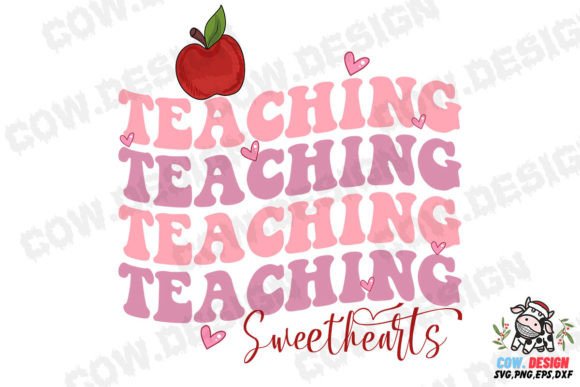
When you first open the file for I Teach the Cutest Sweet Hearts Teacher, the immediate feeling is one of warmth and nostalgia. It does not scream "Valentine's Day" with aggressive reds and cliché cupids; instead, it whispers it through a softer, Retro Valentine aesthetic. The layout balances the playful phrase with heart motifs in a way that feels organic rather than forced. For a designer looking to create handmade product lines that feel authentic, this design offers a distinct visual personality.
The typography is bold enough to be legible but retains a hand-drawn charm that suggests care and attention. In the world of custom apparel, where the message is often as important as the image, this design strikes the right chord. It creates an emotional connection immediately, which is exactly what you want when creating a personalized gift for a teacher or a boutique item for a holiday collection.
Real-World Application: A Case Study in Tote Bags
To truly understand the potential of this design, let us imagine a specific scenario. You are preparing for the upcoming holiday season and need to produce a line of tote bag designs for local teachers. You have selected a sturdy canvas tote in a neutral oatmeal color. The client wants something unique that stands out from the standard mass-produced items found in big-box stores.
This is where I Teach the Cutest Sweet Hearts Teacher shines. The stitch density appears balanced, meaning it will not cause the canvas fabric to pucker or distort the shape of the bag. When executed with high-quality thread colors, perhaps a dusty rose paired with sage green for that Boho V look, the finished product exudes professionalism. It transforms a simple canvas bag into a cherished keepsake. Teachers receiving such a thoughtful, embroidered patch-style applique would likely display pride in carrying it, effectively becoming brand ambassadors for your shop.
Furthermore, this design translates well beyond bags. Imagine applying it to a cozy sweatshirt embroidery project for a staff lounge or a baby embroidery piece for a "Teacher's Pet" themed nursery gift. The versatility here is significant. Whether you are creating holiday embroidery items or commercial embroidery assets for a larger production run, the design maintains its integrity across different garment types.
Technical Considerations and Stitch Types
From a technical standpoint, analyzing how the machine interprets this design is crucial. Most successful machine embroidery design files rely on a combination of satin stitch for outlines and lettering, fill stitch for the hearts, and potentially running stitch for delicate details. If I Teach the Cutest Sweet Hearts Teacher utilizes these elements correctly, it ensures a clean finish that resists fraying over time.
However, the devil is in the details. When reviewing the file, one must inspect the stitch density closely. Dense areas can trap heat and cause issues on synthetic fabrics, while sparse areas might look thin on textured materials. For a digital embroidery file intended for craft business use, the balance between detail and durability is paramount. If the design includes tiny text or intricate corners, those are the first points of failure during stitching. It is vital to ensure that the lettering remains crisp and does not blur together, especially on smaller hoop sizes.
Where Caution Is Required
While this design is promising, there are specific scenarios where caution is necessary. If you plan to use this on a caps or hats, the curved surface might challenge the alignment of the text, particularly if the hoop size is limited. Small hoops often force the machine to jump stitches more frequently, which can compromise the smoothness of the satin stitch.
Additionally, consider the fabric texture. On highly textured fabrics like chunky knits or heavy denim, fine details may get lost. Conversely, on stretchy fabrics like jersey t-shirts, the stabilizer choice becomes critical. Without proper backing, the embroidery project could result in a puckered mess, ruining the finished product. Dark fabrics also require careful consideration of thread contrast; if the design relies on subtle shading, it may not pop against a black background without additional outlining.
If you are producing apparel decorators items that need frequent washing, such as kitchen towels or aprons, the longevity of the stitches is key. Ensure that the file includes adequate underlay stitches to secure the design firmly to the fabric. This prevents the embroidery file from lifting or unraveling after multiple wash cycles, which is essential for maintaining customer trust.
Impact on Brand and Customer Trust
In the competitive landscape of Etsy seller shops and small shop products, the quality of your execution defines your brand. A poorly digitized design can make even the best handmade product look cheap. I Teach the Cutest Sweet Hearts Teacher, when stitched correctly, elevates the perceived value of the item. It signals to the buyer that you care about quality, not just quantity.
For design assets used in printable mockups, the clarity of the design ensures that customers can visualize the final result accurately. This reduces returns and increases satisfaction. When a customer sees a professional-looking gift for teacher in your listing, they are more likely to engage with your brand and return for future purchases. The design acts as a silent salesperson, reinforcing the idea of a boutique, curated experience.
Practical Designer Notes for Success
Before you commit to a full production run, I strongly advise testing the design on scrap fabric first. This step is non-negotiable for any serious embroidery project. Check the thread color contrast against your actual fabric choices; sometimes a color looks vibrant on a monitor but dull in person. Review the stitch density by running a test stitch and feeling the back of the work; it should be firm but not overly thick.
Confirm the appropriate hoop size for your specific machine and the dimensions of the design. Inspect small details under magnification to ensure no stray threads or broken lines exist. Test the design in black and white mockups to verify that the composition works without relying solely on color. Compare how it looks on both light and dark fabric backgrounds to ensure versatility.
Finally, always use the proper stabilizer for the fabric type you are working with. Whether you are creating a valentine sublimation alternative or a permanent textile piece, the foundation matters. Verify whether the license allows for both personal and commercial projects before selling finished items. If you are an apparel decorator or creative entrepreneur, understanding the usage rights is as important as the design itself.
In conclusion, I Teach the Cutest Sweet Hearts Teacher offers a charming, versatile option for anyone looking to add a touch of retro flair to their Crafts and Graphics offerings. With careful planning and attention to the technical nuances discussed, this design has the potential to become a staple in your custom apparel and holiday gift collections. It is a solid tool for building a reputation for quality and creativity in the handmade community.